
Fasika (ፋሲካ) – Easter
Fasika (Amharic: ፋሲካ) is the Ethiopian Orthodox Tewahedo Church’s celebration of Easter, marking the end of a long and strict 55-day fasting period known as Hudade or Abiy Tsome. It is the most significant festival in the Ethiopian Orthodox calendar, celebrating the resurrection of Jesus Christ.
Here is a detailed breakdown of what Fasika entails:
1. The 55-Day Fast (Hudade/Abiy Tsome)
- Duration: The fast lasts for 55 days, covering the entire Lenten period.
- Dietary Restriction: During this time, followers abstain from all animal products, including meat, dairy, and eggs, resulting in a strictly vegan diet.
- Daily Habits: Many, particularly the devoted, do not consume food or drink until 3:00 PM (9th hour in the Ethiopian day system).
- Holy Week: The final week (Passion Week) is particularly intense, with fasting and intense prayer.
2. Easter Eve and Night Service
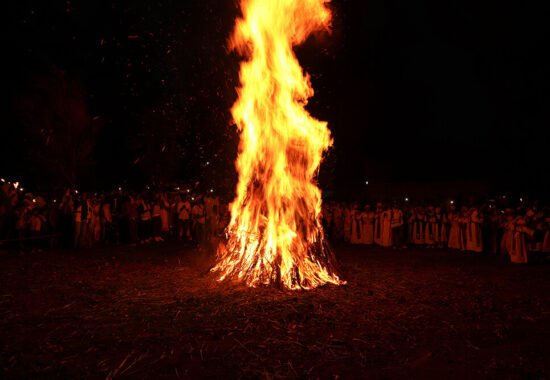
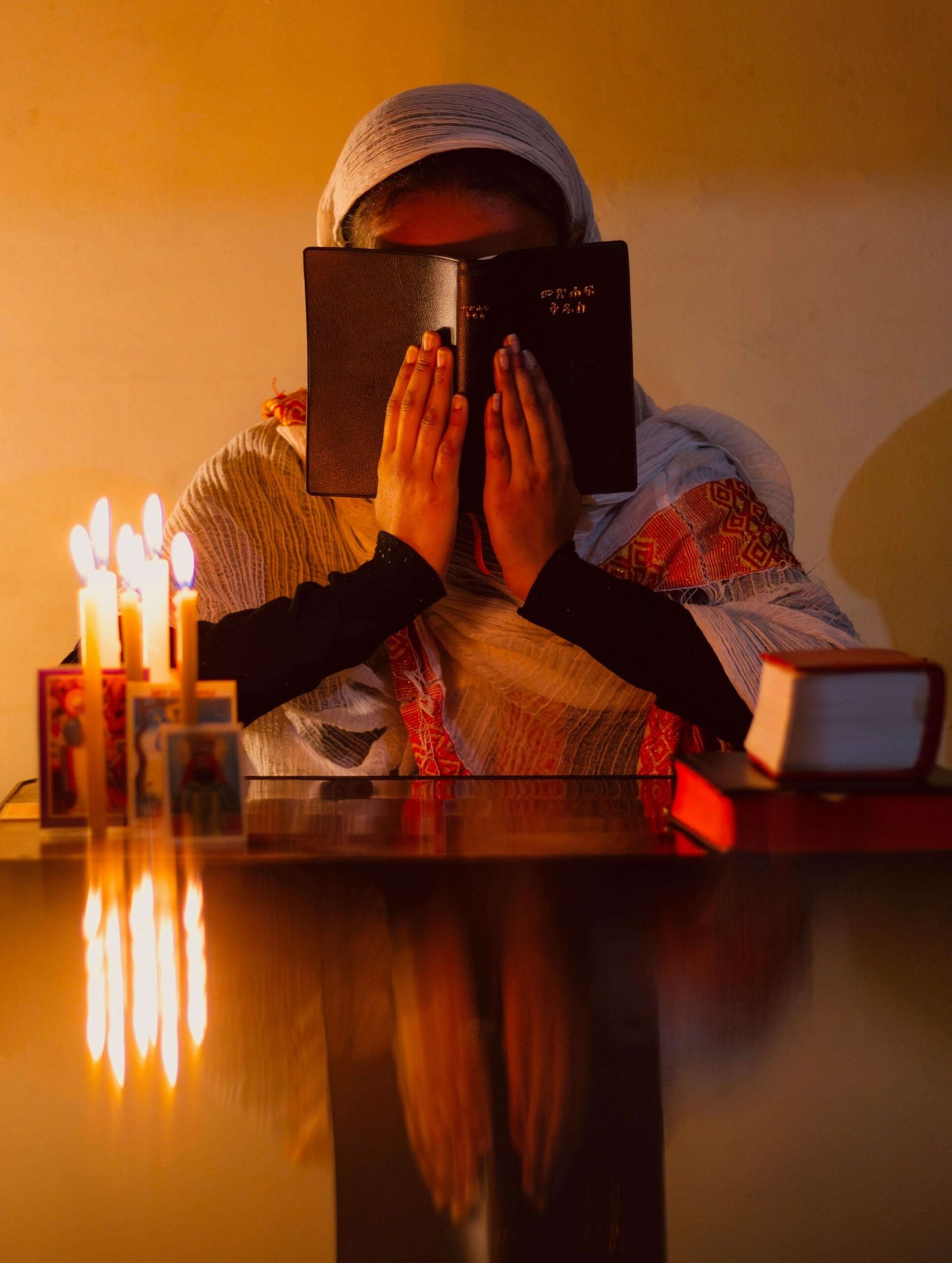
- Candlelight Service: On Saturday night, worshippers attend an all-night church service, usually lasting from around 6:00 PM to 3:00 AM.
- White Robes: Attendees wear traditional white cotton clothes (Habesha kemis/netela) to symbolize purity and renewal.
- Candle Lighting: Worshippers carry candles that are lit inside the church, representing the light of Christ dispelling darkness.
- Ceremony: The service is marked by drumming, chanting, and traditional dancing by priests.
3. Easter Sunday (Breaking the Fast)
- Breaking the Fast: The fast officially ends at 3:00 AM on Sunday morning.
- The Feast: A massive celebration follows, featuring a feast with doro wat (spicy chicken stew), injera (flatbread), and tibs (sautéed meat).
- Symbolic Food: A sheep or cow is often slaughtered at home to mark the occasion.
- Red Eggs: Red-dyed boiled eggs are often broken to symbolize the end of the fast and the blood of Christ.
4. Cultural and Social Aspects
- Meaning: Fasika is a time for forgiveness, reconciliation, and charity towards the poor.
- Greeting: People greet each other with “Melkam Fasika!” (Happy Easter).
- Festivities: The celebration lasts for several days, including music, dancing, and drinking tej (honey wine).
Fasika is deeply rooted in Ethiopian tradition and is celebrated by the Orthodox community, which constitutes a large portion of the population